
Experience matters because people matter.
As designers of the digital medium, we should strive to improve a person's life through meaningful, attractive interpretations of emotion, expression, and experience within our daily contexts of work and play. This is beyond mere usability or simply following a "user-centered" recipe of rote metrics. There is a sensing and appreciation for the qualities that make us human, and enable a truly enjoyable quality of engagement or interaction with digital products/media.

Figure 1: The core elements of an interaction
How can increased reflection of aesthetic values and rhetorical influence enhance strategic collaboration as well as the products we create? And how can the economics of choice/trade-offs be balanced with human concerns for respect, trust, and wellness? Such questions imply a humanist approach to design. Far from being sentamentalist, this is simply realizing that technologies enable profound human interaction and communication vital to living.
 The Critical Issue
We need to shift our perception of design away from only style towards an Integrative Aesthetic Experience whereby style, performance, story, and utility intersect and transform an experience into much more than a list of features or eye candy. Not episodic. Not piecemeal. Integrative, where each element supports the other in an ecological way.
My Design Process
For me design is an issue of social communication. A flexible process that balances both user needs and designer visions, can help generate solutions with a deep understanding of the "how" and "why" of a context and activity and thus stage a valuable conversation with stakeholders. I apply variations of this process, shown below:
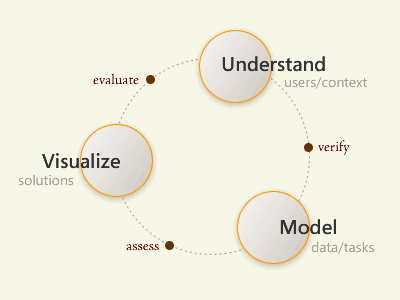
Figure 2: The phases of my design process
This process offers a framework for envisioning how all the pieces of the puzzle come together systematically and rationally, rather than accidentally. This approach can also break down complex projects into tangible, manageable, repeatable steps (and outputs) for better overall communication with teams. Further explanation is provided on my blog.